




The Flag Shop is a member of the world-renowned Flag Research Center and maintains a vexillology library to answer your questions on flag protocol and other flag-related topics.
Flag protocol defines the proper placement, handling and use of flags. Some countries have very strict rules and guidelines to follow when it comes to flag protocol. Order of placement of flags at international events is very important, whether indoor or outdoor.
Country flag represents the nation and is a patriotic item which should be treated with respect. When it comes to using flags to show your patriotism and support for your country, sometimes it is very easy to violate the proper usage of flags.

When flying multiple flags together including national, provincial, municipal, organizational. There's an established order of precedence that determines which flag occupies the position of honour and how the others are arranged around it.
When flags of different levels (national, provincial, municipal, corporate) fly on separate poles, there are conventions for relative height and size that avoid unintentionally signalling the wrong hierarchy.
Correct procedure for lowering a flag to half-mast for a period of mourning, including the specific raise-then-lower sequence at the start of the day and the reverse at day's end, and guidance on officially designated half-masting occasions versus organizational discretion.
Guidance on when a flag can remain up overnight (generally only with proper illumination) versus when it should be lowered at sunset.
Respectful guidance for retiring from a flag that has become worn, faded, or torn beyond a dignified display condition, rather than continuing to fly it or disposing of it informally.
Guidance for events and ceremonies involving several flags at once including colour parties, ceremonial flag lines, and formal presentations where correct arrangement and handling matter to the occasion.
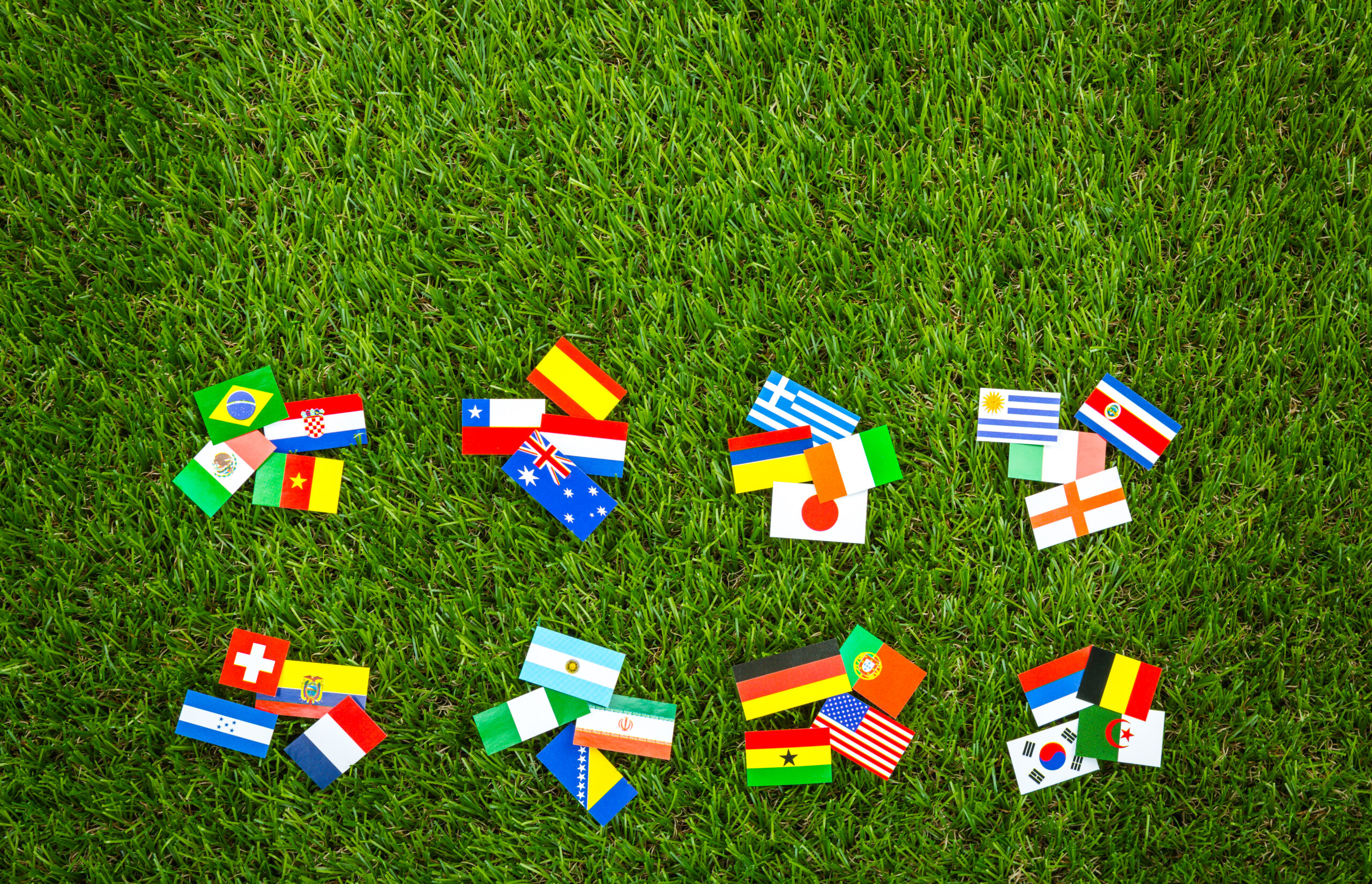
Flags flown incorrectly at a municipal building, school, or corporate headquarters are visible to everyone who passes by, and to the community members and stakeholders who do notice these details.
Half-masting, ceremonial handling, and flag retirement protocols exist specifically to show appropriate respect during moments that matter. This getting wrong can come across as careless during precisely the moments where care is expected.
Municipalities, schools, legions, and government-adjacent organizations are often held to a higher standard on this specific detail than the public, since flag display is a visible, symbolic part of their public role.
Unlike some areas of institutional practice, flag protocol is well-established and not particularly complicated once explained clearly. The issue is usually that nobody has walked through it with the people responsible for raising and lowering the flag day to day.

If you have any questions about flag protocol, The Flag Shop’s protocol advice services are offered to you free of charge.
Whether you have a single question ahead of an upcoming ceremony or need ongoing guidance for a property flying multiple flags, reach out to your specific situation and we’ll walk you through what’s correct.
Half-masting is typically reserved for officially designated periods of mourning, though some organizations choose to half-mast for internal occasions at their own discretion. The correct procedure involves raising the flag briskly to the top of the pole first, then lowering it to half-mast, and reversing that sequence before fully lowering the flag at day’s end.
Generally, a flag should be lowered at sunset unless it’s properly illuminated overnight. If your flagpole doesn’t have illumination, plan to lower the flag each evening and raise it again the next day.
A flag that’s no longer in dignified display condition should be respectfully retired rather than continuing to fly it or disposing of it informally. We can guide you through the appropriate retirement process.
The core principles of respectful display, order of precedence, and retirement apply broadly, though the specific conventions (like official half-masting occasions) are most formally tied to government and national flags. We can help clarify what applies to your specific situation.
Yes. This is one of the most common and useful times to get protocol guidance, since it’s far easier to plan pole height, spacing, and arrangement correctly upfront than to adjust an existing installation afterward.